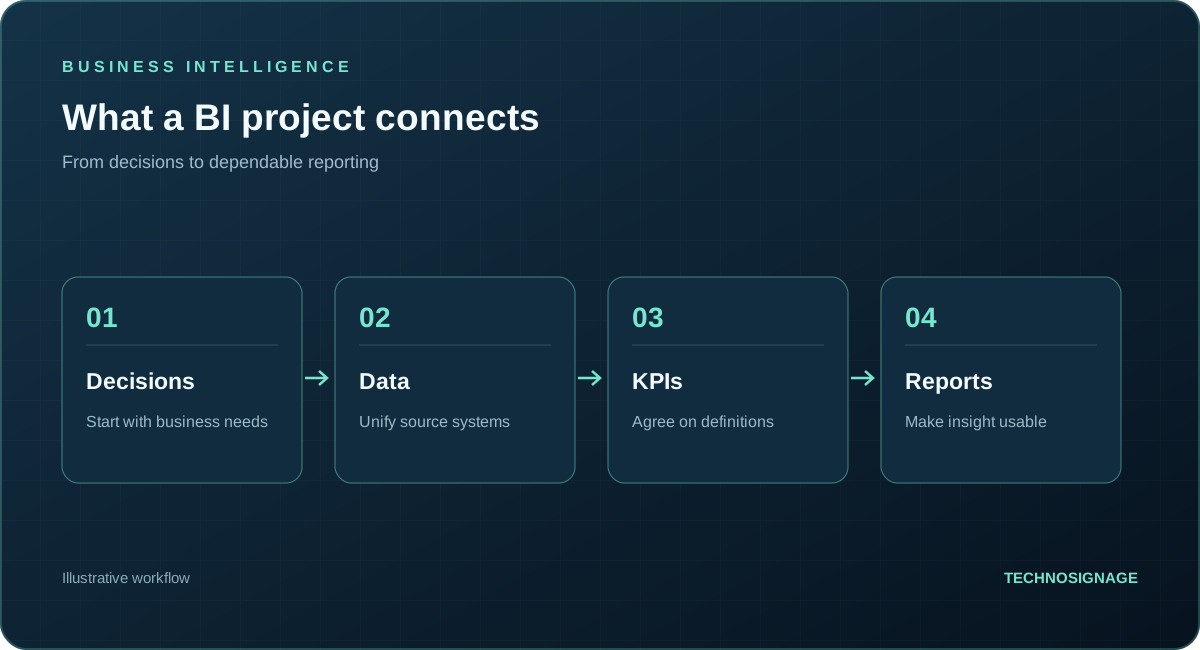
A shortlist of data analytics companies in Dubai is useful only if you can compare what each company will actually deliver. A dashboard demonstration shows the interface. A workable proposal also explains where the data comes from, which business rules shape the numbers, who validates them, and who maintains the system after launch.
Start with one operating decision: which dealer needs support, which orders are delayed, or why finance and operations disagree about a monthly total. Then use that question to evaluate the proposed analytics work. This guide draws on the delivery architecture documented in TechnoSignage's Stellantis Middle East deployment and SAP supply chain reporting case study.
1. Ask the provider to trace one number to its source
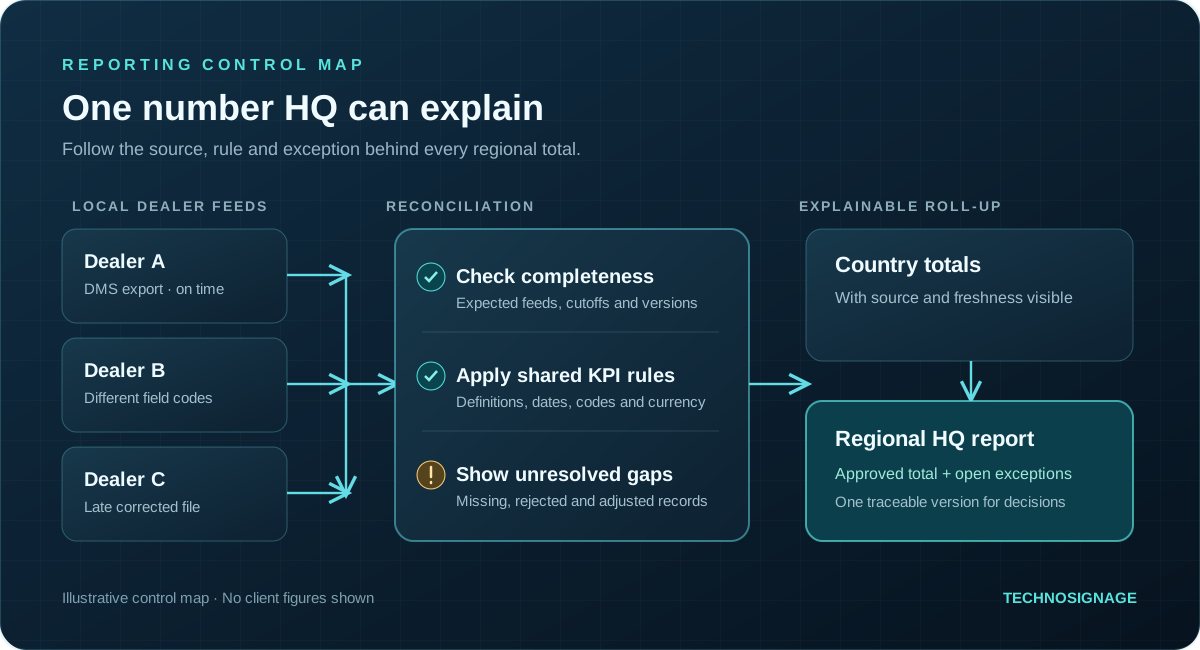
Choose a KPI that matters to your team and ask how it will be calculated. The answer should identify the source system, relevant fields, reporting period, exclusions, and reconciliation method. If different branches use different codes, the proposal needs a mapping approach and a way to surface records that cannot be mapped.
In the Stellantis delivery, built-in ETL and a shared data model connect dealer information with integrated Tableau reporting. The transferable lesson is to assess the preparation layer alongside the dashboards. A report is only as explainable as the process that produces its figures.
2. Compare integration work, not just dashboard counts
Two proposals for five dashboards may involve very different work. One may assume clean spreadsheet uploads. Another may include source access, automated collection, transformation, exception handling, and refresh monitoring. Ask vendors to list those assumptions explicitly.
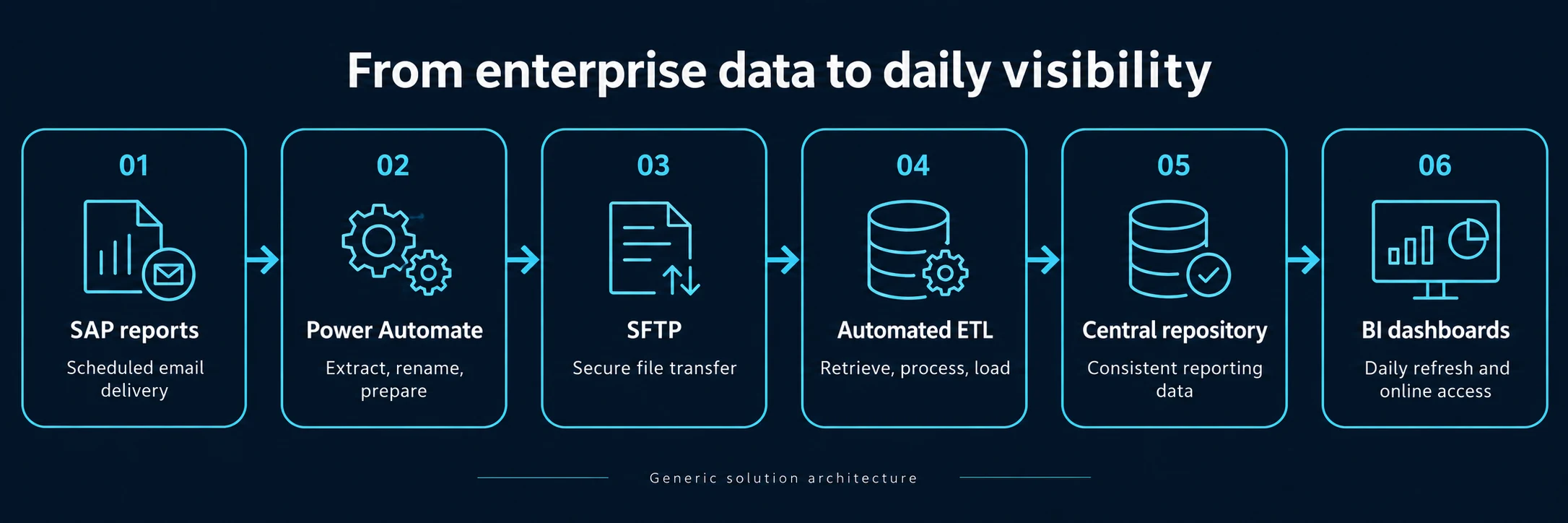
Our SAP reporting example uses emailed reports, Power Automate, SFTP, and automated ETL before the data reaches daily dashboards. That is a documented file-based implementation, not a promise that every ERP integration follows the same route. Your source systems and access arrangements determine the right design.
3. Establish who approves the KPI definitions
A technical team can implement a calculation, but a business owner must approve what it means. Ask who will resolve differences between finance, sales, and operational definitions. The deliverables should include a KPI register with definitions, ownership, and treatment of corrections or missing data.
For multi-country reporting, also agree how currencies, time periods, dealer coverage, and late submissions are handled. A single total without those rules can hide differences rather than resolve them.
4. Examine delivery evidence in its proper context
Ask for a case study with comparable integration and operating complexity. Look for the implemented scope, reporting users, access model, and production responsibilities. Named clients can help corroborate experience where disclosure is authorised. An anonymised project can still be useful when the architecture and limits are clearly explained.
Treat a percentage improvement as a separate evidence question. What was the baseline, which users or transactions were measured, over what period, and how was the change attributed to the project? Dashboard counts describe delivery coverage; they do not establish revenue growth or return on investment.
5. Compare acceptance and handover responsibilities
Before commissioning work, agree how users will validate source totals, KPI calculations, permissions, and refresh behaviour. Handover should explain the pipelines, models, reports, and operating procedures your team will own. Training should follow actual user roles rather than a generic tour of the reporting tool.
Clarify which licences, hosting arrangements, and administrator access are required. Ask what happens when a source field changes or a scheduled load fails, and who is responsible for investigating it.
A short checklist for the next supplier conversation
- Which decision and users does the first phase serve?
- What source access and data quality does the proposal assume?
- Who approves KPI definitions and acceptance results?
- What comparable delivery evidence can we inspect?
- Which integration, documentation, training, and support tasks are included?
- Which dependencies could change the cost or schedule?
Use the answers to compare scope before comparing headline prices. Explore our data analytics and BI consulting in Dubai, or discuss one reporting challenge with the source systems and affected users in mind.